Can a Cordless Drill Drill Into Concrete?
For occasional small holes, choose a cordless hammer drill for concrete and a carbide-tipped masonry bit. Use a rotary hammer for larger holes, repeated drilling, or hard concrete that stops a hammer drill.
On this page (8 sections)
- What makes a cordless drill suitable for concrete?
- Which masonry bit set fits your anchors?
- Which cordless hammer drill suits your job?
- How do you set up and drill a concrete anchor hole?
- What should you do when drilling slows or stops?
- How do you care for the drill and masonry bits?
- Can an impact driver replace a hammer drill?
- Which cordless drill for concrete should you choose?
A cordless hammer drill for concrete is a practical choice for occasional small anchor holes when paired with a carbide-tipped masonry bit. For repeated holes, larger anchors, or hard concrete, choose a rotary hammer.
Start with the anchor's required hole diameter and depth. Those requirements matter more than battery voltage, and they determine which bit and tool you need.
What makes a cordless drill suitable for concrete?
Hammer mode and a suitable masonry bit make the difference. A hammer drill rotates the bit while adding rapid forward pulses that help break the concrete at the tip.
A standard drill only spins, so it can struggle even with a masonry bit. Soft brick or mortar is easier to drill than concrete, and success in those materials doesn't mean your drill suits a concrete wall.
For the basic tool decision, see whether you need a hammer drill at home. Our guide to drill drivers and hammer drills explains their different modes.
Choosing a cordless drill for concrete anchor holes
Choose around hole size, depth, and number of holes, then check the tool manual for suitable applications. A few small fixings favor a cordless hammer drill; a row of deep holes favors a rotary hammer.
Check battery compatibility before choosing a bare tool. If you're building a tool collection from scratch, our cordless drill buying guide explains the wider choices.
Which masonry bit set fits your anchors?
Choose the set that contains the exact diameters your anchors require. A close size isn't good enough: an oversized hole can prevent an anchor from gripping as intended.
Check usable drilling length as well as diameter. The bit must reach the required depth without burying the chuck against the surface.
DeWalt DW5207: for a wider range of anchor sizes
The DeWalt DW5207 includes 7 percussion masonry bits with carbide tips and a 4-flute design. Its diameters run from 3/16 in to 1/2 in, with 2 bits measuring 1/4 in by 6 in.
Choose this set if your planned fixings need several sizes, especially a larger diameter beyond the Milwaukee set's range. The duplicate bit is useful if that size appears often in your projects.
Skip it if your anchor needs a 5/32 in hole or your tool requires SDS bits. These bits are intended for conventional drill chucks, so they don't fit an SDS holder directly.
Check each bit's length before starting. A set's largest diameter doesn't establish how large a hole your drill can handle.
Milwaukee Shockwave: for smaller anchor holes
The Milwaukee set includes 5 carbide bits from 5/32 in to 3/8 in, each with a 1/4 in hex shank. It has wide flutes and sharpened carbide edges for concrete, brick, and block.
Choose this set when your anchors need smaller diameters, including the size absent from the DeWalt set. Check that the shank and usable length suit your tool and required hole depth.
Skip it if you need a 1/2 in hole or SDS compatibility. Milwaukee designs these bits for hammer drills and impacts, but shank compatibility doesn't make an impact driver the preferred concrete-drilling tool.
Neither set replaces the need for a suitable drill. Buying a masonry bit won't add hammer action to a standard drill driver.
Which cordless hammer drill suits your job?
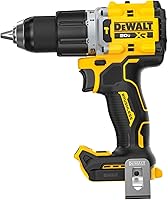
Choose the DCD806B for its speed choices and anti-rotation feature, or the DCD799B when access is the main constraint. Both are tool-only DeWalt 20V MAX options, with batteries and chargers sold separately.
DeWalt DCD806B: for buyers who want added control
The DCD806B has a brushless motor, integrated hammer mode, and 2 speed ranges: 0–650 and 0–2,000 rpm. Its 1/2 in metal ratcheting chuck holds conventional drill bits.
Its ANTI-ROTATION System senses excessive tool rotation and shuts the tool down. That feature suits buyers who value added control if a bit catches, though it doesn't replace a secure grip and correct handling.
Choose it for mixed drilling jobs and occasional concrete fixings, especially if you already have compatible batteries. The adjustable 3-position LED also helps illuminate the work area.
Skip it as your main concrete tool if you expect frequent large or deep holes. A rotary hammer is the more suitable category for that workload.
DeWalt DCD799B: for restricted access
The DCD799B has a 6.49 in tool head, a brushless motor, a 1/2 in ratcheting chuck, and an on-tool LED. Its maximum speed is 1,650 rpm.
Choose it when the drill body must fit near a cabinet, corner, or other obstruction. Measure the full working space, including the fitted bit and room to withdraw it straight from the hole.
Skip it if you're choosing mainly for a long run of demanding concrete holes. A short body solves an access problem; it doesn't change the tool into a rotary hammer.
For other choices in this category, see our hammer drills for home use.
How do you set up and drill a concrete anchor hole?
Follow the anchor's hole diameter, depth, and cleaning instructions before installing anything. The right drill can't compensate for a poorly prepared hole.
- Check the location. Identify hidden wiring, pipes, and reinforcement before drilling; don't rely on surface appearance.
- Control dust. Set up extraction suitable for concrete dust and follow applicable respiratory protection guidance.
- Fit the bit securely. Remove the battery while changing bits, then tighten the chuck as directed by the manual.
- Set the depth. Use the tool's depth stop if available; a tape mark is only a visual guide.
- Choose the mode. Select hammer mode and the speed recommended for the bit and material.
- Start square to the surface. Begin slowly so the tip stays on your mark, then maintain steady pressure.
- Clear debris. Withdraw the bit periodically while keeping dust capture positioned at the hole.
- Prepare the hole for the anchor. Use the cleaning method specified by the anchor maker before fitting the fastener.
Concrete drilling releases respirable silica dust. Wear suitable eye and hearing protection, control dust at its source, and keep bystanders clear; ordinary household vacuums aren't suitable substitutes for concrete-dust extraction.
Don't drill into reinforcement, prestressed concrete, or a structural member without appropriate guidance. If you can't establish a safe drilling location, stop before making the hole.
For chuck, trigger, and handling basics, see how to use a cordless drill.
What should you do when drilling slows or stops?
Stop and identify the cause instead of pushing harder. Poor progress can come from the wrong mode, a worn bit, packed debris, hard aggregate, or an obstruction.
Check the simple causes first: battery charge, hammer-mode selection, bit condition, and debris removal. Let a hot bit cool before handling it or changing accessories.
A sudden stop can mean reinforcement or another hidden object. Don't force through it, switch to a metal bit, or move the hole casually, since anchor spacing and edge distance can affect the fixing.
Keep the drill aligned rather than rocking it to widen the hole. Sideways pressure can damage the bit and leave an anchor hole too loose.
If the setup is correct but progress remains poor, use a suitable rotary hammer. More pressure and a larger battery won't fix a mismatch between tool and job.
How do you care for the drill and masonry bits?
Remove dust and inspect the bits after use so the next job starts with clear flutes and an undamaged cutting tip. Remove the battery before cleaning the tool or handling accessories.
Follow the drill manual for cleaning its vents and chuck. Let bits cool, wipe away debris, and store them dry where their tips won't knock against other tools.
Replace a bit with chipped carbide, a bent shank, or a badly worn tip. Don't keep using a damaged bit simply because it still turns.
Avoid adding water unless the tool, bit, and drilling method specifically permit it. Water isn't a general cooling fix for a cordless drill setup.
Can an impact driver replace a hammer drill?
An impact driver isn't the usual choice for concrete holes. It delivers rotational impacts, while a hammer drill adds pulses along the bit's drilling direction.
Even when a masonry bit fits an impact driver's hex holder, the tool still works differently. Read whether you can use an impact driver as a drill before choosing it for a drilling task.
Which cordless drill for concrete should you choose?
Choose the DCD806B if speed selection and its anti-rotation feature matter most. Choose the DCD799B if a short drill body helps you reach the fixing point.
Pair either with the DW5207 for its wider diameter range or the Milwaukee set for smaller anchor sizes. Match the actual bit to the anchor, rather than buying by set size alone.
For repeated, large, or deep holes, choose a rotary hammer instead of stretching a cordless drill for concrete beyond the job it suits. Before buying, use our guide to choosing a cordless drill to check the battery system, chuck, and kit contents.
Frequently asked questions
Can a regular cordless drill make a hole in concrete?
A regular cordless drill may make a small hole in softer concrete, but a hammer drill is the better choice. Use a carbide-tipped masonry bit and stop if progress stalls or the tool gets hot.
More pressure won't replace hammer action, and repeated holes call for a more suitable tool.
What kind of drill bit do I need for concrete?
Use a carbide-tipped masonry bit with the diameter and usable depth required by your anchor. Match its shank to the tool holder, too: a standard drill chuck and an SDS rotary hammer holder take different bit types.
Follow the anchor instructions rather than choosing a diameter by eye.
Is a hammer drill the same as a regular cordless drill?
A hammer drill adds forward pulses as the bit rotates, which helps break concrete and other masonry. A regular drill only rotates the bit.
Many hammer drills also have a rotation-only setting for other materials, so check the mode selector before drilling and follow the tool manual.
When should I use a rotary hammer instead?
Choose a rotary hammer for repeated holes, larger anchor holes, or hard concrete where a hammer drill makes little progress. Check its concrete capacity and use the correct bit system.
For one small job, renting a suitable rotary hammer can make more sense than buying another general-purpose drill.